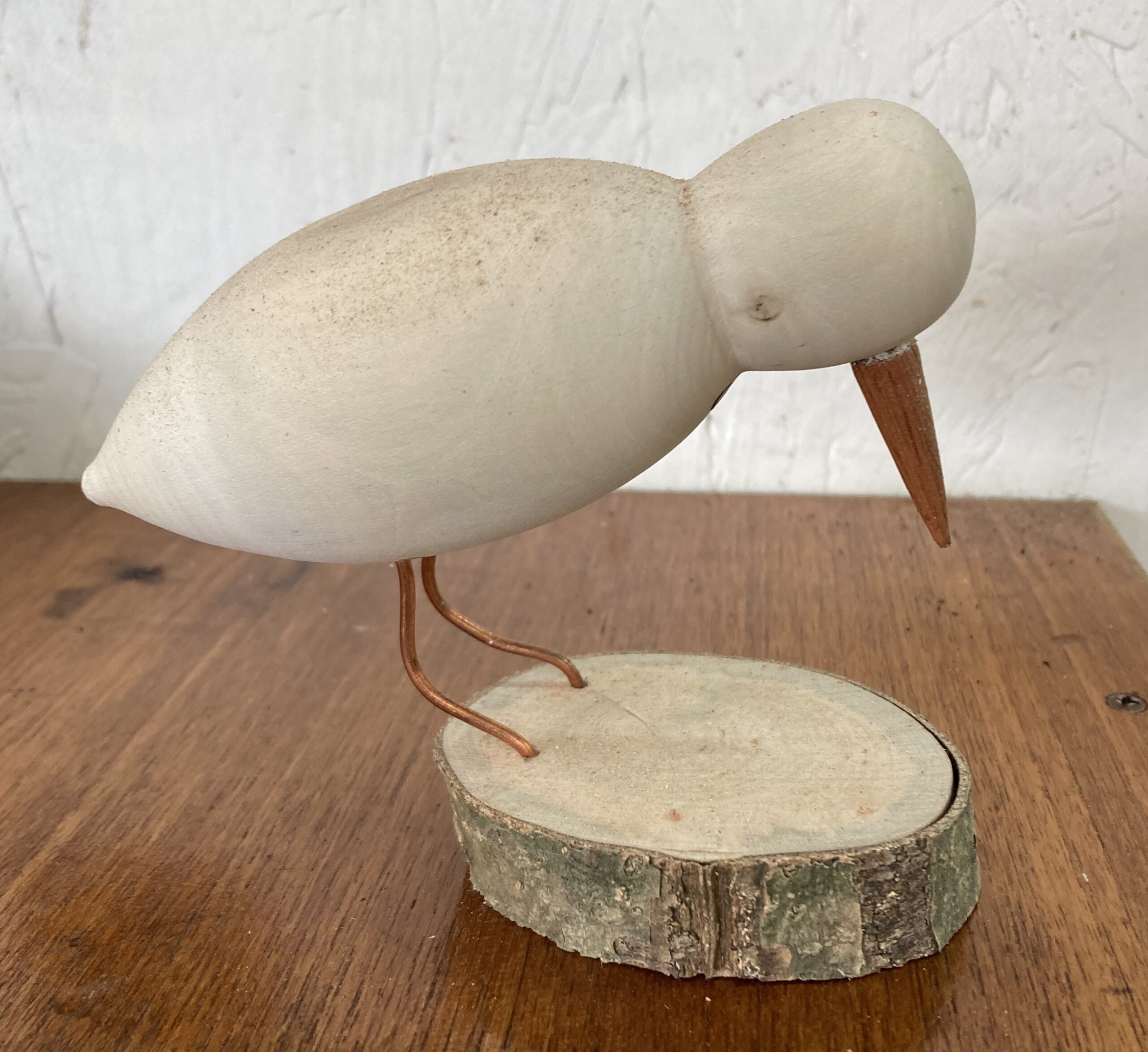
The Treasure Chest in Oxford is now selling many of my turnings.
The Treasure Chest in Oxford is now selling many of my turnings.
Not doing any wood turning these days since I lost my local selling source and have too much left over stock to be adding more. But I have been somewhat busy with other projects. I learned how to make a marble countertop out of plywood as part of a powder room makeover. This was a piece of marine grade plywood that had been in my shop for many years – now starting a new life as a vanity top. This was my first attempt after hours of watching You tube videos of the process. No one can believe it’s a piece of plywood! Later I’ll post the vanity. i had to build one as the room is so tiny no standard vanity would work.


 After a long break from the website, I am ready to start posting again. This urn I created as a commission piece, which I have shied away from normally, for a friend. The main body is Sapele with maple and Purpleheart accents and the lid is more Purpleheart with a brass disc for engraving.

Just an experiment:

I just got back from spending a week out in Sedona Arizona and would highly recommend that destination to anyone. If you do make the trip, go on up to Jerome and visit that little town which is a mecca of local artisans.

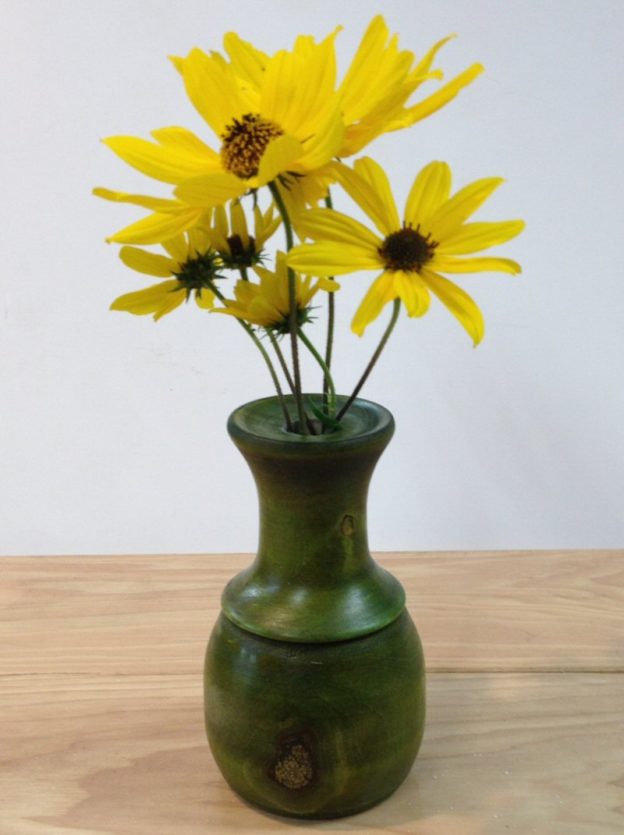
I haven’t had any driving desire to make anything since my return but did find a cache of test tubes while doing some clean up in the work shop. I had bought these to do bud vases so I had to do one just to justify having them in stock. This one (below) was a piece of holly that had been sitting on the shelf since early 2014 and was such a small piece that it was perfect for this project.


 I had a nice sized chunk of some Tupelo that a friend who does carving gifted me with, The wood is very soft which makes it perfect for carving decoys but not so much for turning, But it does sand nice which helps tremendously. It also lacks any grain to speak of and is a bland light color which begs to be dyed. The problem I ran into was that the softness of the wood was soaking up all the lacquer I was spraying on it. I ended up brushing on several coats of brushing lacquer with a lot of wet sanding between coats. I was finally able to spray the lacquer at an acceptable level. The cherry for the rim and foot were both scraps from my work bench.

 We lost a massive branch from one of our pecan trees last week. I had not turned green wood for a while and this was a good opportunity to revisit that. I hollowed and shaped it a bit, put it in the microwave for a bit and then turned the walls thin. I had one small crack develop during the microwaving which is not bad. The pecan was not that interesting – very light colored. To accentuate the grain I put a coat of black dye before the final sanding. Consequently all the grain showed up spectacularly though the green dye. I still have about 8 foot of this 6″ round limb so a few more of these will probably be in the works.


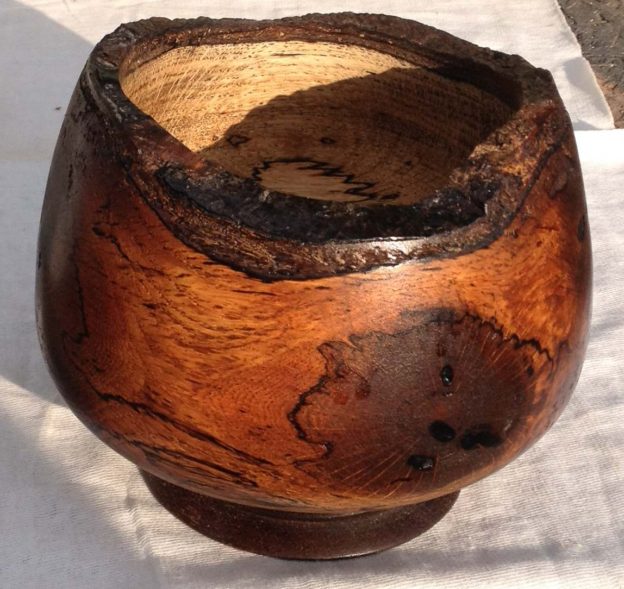
 This piece of spalted wood came out of my pile and needed to be gone. I liked the figure but the light color was not what I wanted. I have brown dye which seldom gets used and I used that for something different. The inside is natural color. My wife really wanted me to do another natural edge bowl so this is what I did. The shape I was able to get out of that chunk needed a bit of enhancement. I first thought a tall decorative pedestal would look good but I ended up doing a short one out of walnut and gave it a coat of the same brown dye. I also picked out a lot of bug damage and filled with epoxy with black dye in it. Right now the bowl has a satin lacquer finish from a rattle can to seal the dye but it will be sprayed on my next spray lacquer day.
Sold at Oxford Artist Studio Tour

 This pot was turned with the intention of creating another Jade Green piece. The green had some issues and I decided to abandon that and turned the color off. I then decided that a black dye would look good if all the grain showed though – a good idea for a future project but it didn’t hit me on this. I then decided to put a coat of black lacquer on it just to avoid having to get rid of the black dye. Again — epic fail as every dimple and defect were just compounded through the lacquer. I almost tossed it in the bin but decided to turn it all off one more time and let it go natural. This time I added a couple of coats of walnut danish oil. I was actually quite pleased this time. The lid was almost a perfect fit and was a left over from another “binned” project.